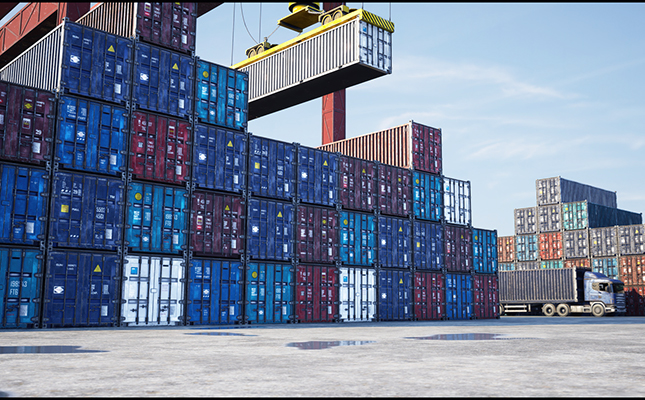
CBP Electronic Refund Changes Effective February 6, 2026
Beginning February 6, 2026, U.S. Customs and Border Protection (CBP) will issue all refunds electronically via Automated Clearing House (ACH), subject to limited exceptions. This mandatory policy applies to refunds issued to importers, service providers, and any designated third parties owed excess deposits of duties, fees, or interest by CBP. This includes refunds that may … Continued
Food Grade vs Regular Warehouse: What’s Different
Not every warehouse can store food. Sounds obvious when you say it out loud, but a lot of businesses learn this the hard way. They sign a lease or book space with a 3PL, ship their product, and then find out the facility doesn't meet FDA standards. Now they're scrambling. The difference between food grade … Continued
Factors to Consider When Picking a Food Grade Warehouse
Picking a food grade warehouse isn't like picking a regular storage facility. The stakes are different. One compliance slip and you're looking at recalls, lawsuits, or worse. So yeah, due diligence matters here. But where do you even start? There's a lot to sift through, and not all of it is obvious from a walkthrough … Continued
Food Grade Warehouse Definition: The Basics Explained
A food grade warehouse is a storage facility that meets specific sanitation, structural, and operational standards required for holding food products. That's the short answer. But there's a bit more to it if you're actually trying to figure out whether a facility qualifies or what to look for when you need one. The term carries … Continued
Food Grade Warehouse Best Practices Worth Knowing
Storing food products in a warehouse sounds straightforward until you realize how many ways it can go wrong. Contamination, pest issues, compliance violations. The list gets long fast. Food grade warehouse best practices exist for a reason, and most of them come down to common sense once you see them laid out. But here's the … Continued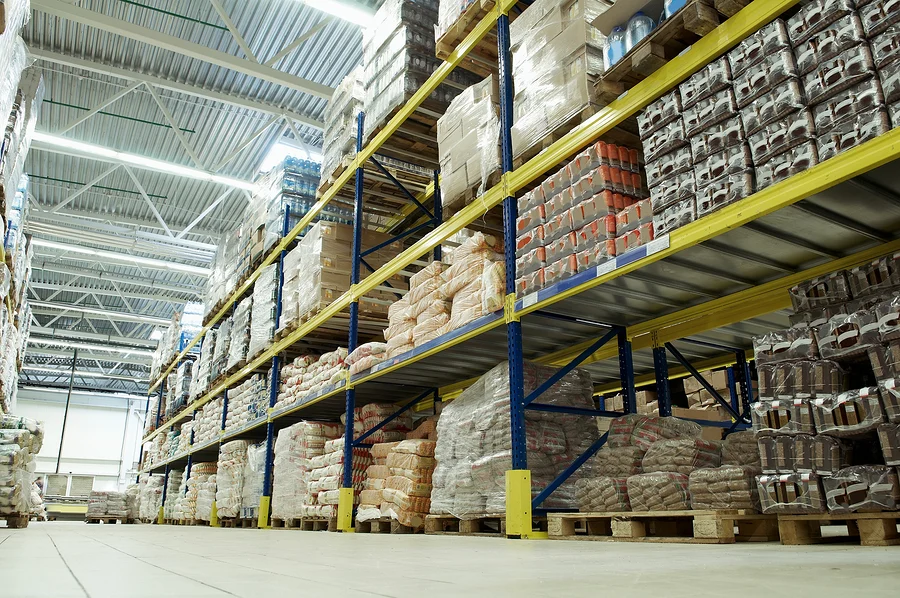
What Is a Food Warehouse
A food warehouse is pretty much what it sounds like: a facility built specifically to store food products before they make their way to grocery stores, restaurants, or wherever else they're headed. But calling it "just storage" undersells it a bit. These places operate under strict regulations that regular warehouses don't have to worry about. … Continued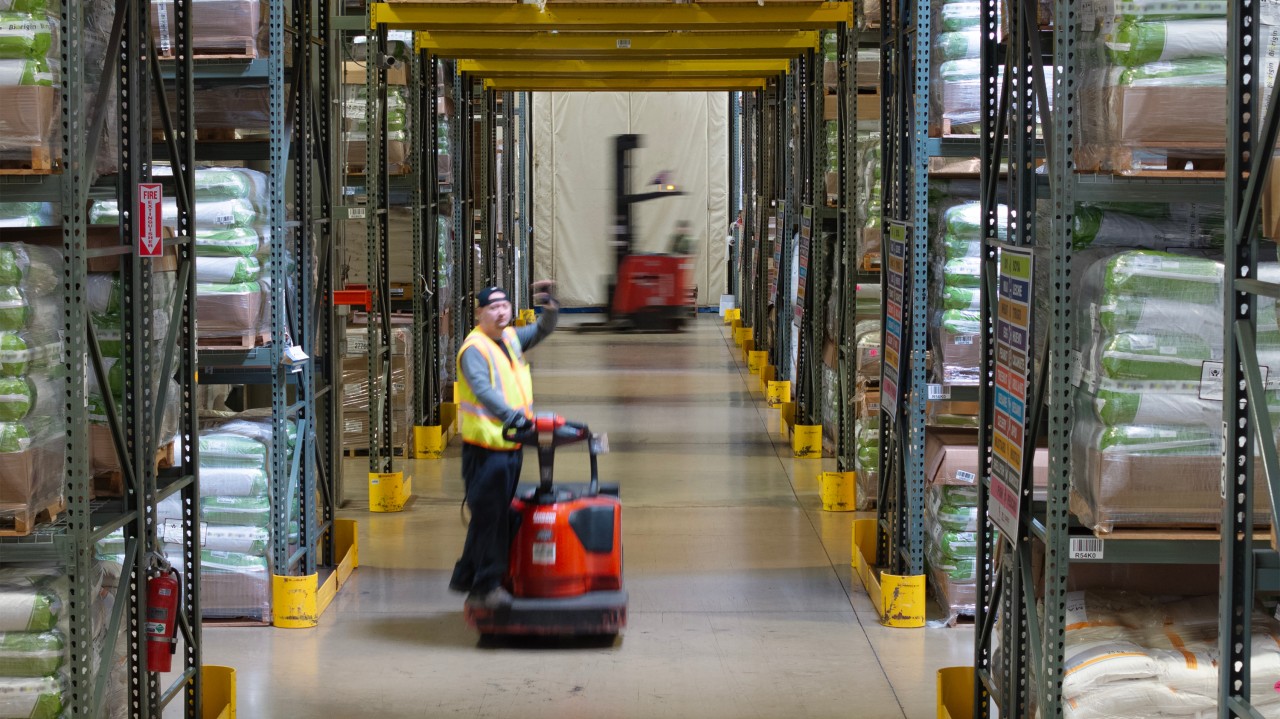
FDA Food Grade Warehouse Requirements Explained
Storing food in a warehouse isn't as simple as renting space and stacking pallets. The FDA has a lot to say about how it's done, and ignoring those rules can get expensive fast. So what actually counts as a "food-grade" warehouse? And what does the FDA expect from facilities handling food products? There's more to … Continued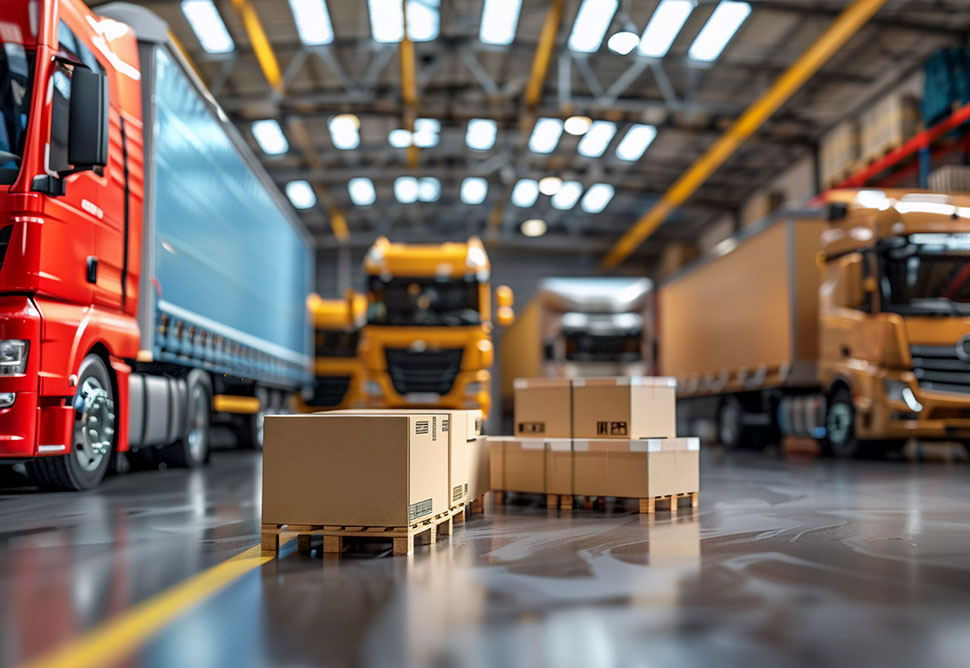
Food Grade Warehouse Specifications Worth Knowing
Storing food products isn't like storing, say, furniture or electronics. There's a whole list of requirements that a facility has to meet before it can legally hold consumable goods. And if you're sourcing warehouse space for food products, understanding food grade warehouse specifications saves you from compliance headaches down the line. So what makes a … Continued