
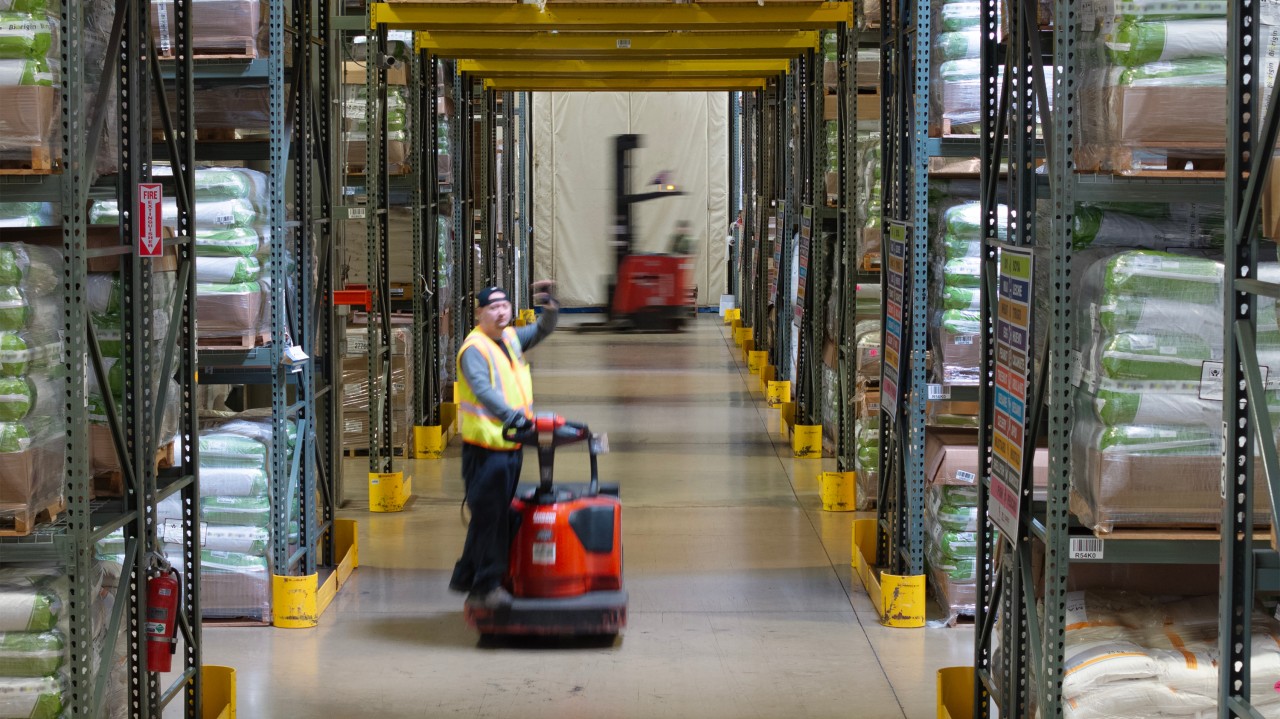
Storing food in a warehouse isn’t as simple as renting space and stacking pallets. The FDA has a lot to say about how it’s done, and ignoring those rules can get expensive fast.
So what actually counts as a “food-grade” warehouse? And what does the FDA expect from facilities handling food products? There’s more to it than most people realize.
What Makes a Warehouse “Food Grade”
Here’s the thing: the FDA doesn’t actually certify warehouses. There’s no official stamp or rating system. What they do is enforce a set of regulations under the Food Safety Modernization Act (FSMA) and the older Federal Food, Drug, and Cosmetic Act. If your facility stores food, you’re expected to meet those standards.
The goal is pretty straightforward. Keep food safe from contamination. That covers physical stuff like dirt or debris, chemical hazards from cleaning products or pesticides, and biological risks like pests or bacteria. Miss any of those, and you’ve got a problem.
FDA Registration Requirements
This trips people up more than it should. If your warehouse stores food, you likely need to register with the FDA. The Bioterrorism Act of 2002 made this a requirement, and yes, it applies to warehouses.
Registration itself is free. You do it through the FDA’s online portal, and it takes maybe 20 minutes if you have your information ready. But here’s where people slip: you have to renew every two years. The window is typically October through December. Miss it, and you’re operating an unregistered facility, which can mean enforcement actions or products getting held up at ports.
Sanitation Standards
The FDA’s Current Good Manufacturing Practice regulations (CGMP, if you want the acronym) spell out what’s expected. Floors, walls, and ceilings need to be made from materials you can actually clean properly. Lighting has to be good enough that workers can see what they’re doing. Waste disposal systems need to be in place. Cross-contamination between different products needs to be prevented.
Pest control comes up constantly during inspections. You need a documented pest management program. Most facilities work with licensed pest control companies and keep records of every treatment and inspection. Inspectors will ask for those records. Have them ready.
Structural and Operational Stuff
Layout matters. Food storage areas should be separated from non-food items. Receiving and shipping zones need to be set up in ways that limit exposure to outside contaminants. Seems obvious, but plenty of facilities get dinged for sloppy separation.
On the operations side, documentation is everything. Receiving inspections, how you rotate inventory, cleaning schedules, and hygiene training for employees. The FDA wants written procedures, and they want evidence you’re actually following them. Not just a binder sitting on a shelf somewhere.
Recordkeeping and Traceability
FSMA made traceability requirements stricter. Warehouses are part of that supply chain, so you need records showing where products came from and where they went. One step back, one step forward. That’s the standard.
For high-risk foods, there’s even more. The FDA’s Food Traceability Rule (FSMA 204) kicks in for items on their Food Traceability List. We’re talking leafy greens, certain cheeses, fresh-cut fruits, that kind of thing. The recordkeeping for those products is more detailed.
Third-Party Certifications
The FDA won’t certify your warehouse, but your customers might demand certification anyway. SQF, BRCGS, FSSC 22000. These are the big third-party certifications, and they involve actual audits of your facility and processes.
You don’t need them for FDA compliance, technically. But good luck getting business from major retailers or food manufacturers without one. It’s become table stakes in the industry. Providers like Worldwide Logistics Group typically hold these certifications across their facilities because clients expect it.
Where Facilities Usually Mess Up
Inconsistent documentation is the big one. Having procedures written down means nothing if you’re not following them consistently. Inspectors notice gaps between what’s on paper and what’s actually happening.
Training is another weak spot. Everyone handling food should know basic food safety principles and your facility’s specific procedures. Refresher training should happen regularly, though requirements vary depending on your operation.
And pest control. One mouse sighting during an inspection raises questions about your entire program. Stay on top of monitoring, respond quickly to any issues, and document everything.
Staying on Top of It
FDA requirements change. New guidance comes out, rules get updated, and enforcement priorities shift. Keeping current means actually reading FDA communications and paying attention to industry news. Not exciting, but necessary.
A lot of companies find it easier to work with a 3PL that specializes in food logistics. These providers already have food safety programs built out, certifications in place, and trained staff. It takes some of the compliance weight off your shoulders.