
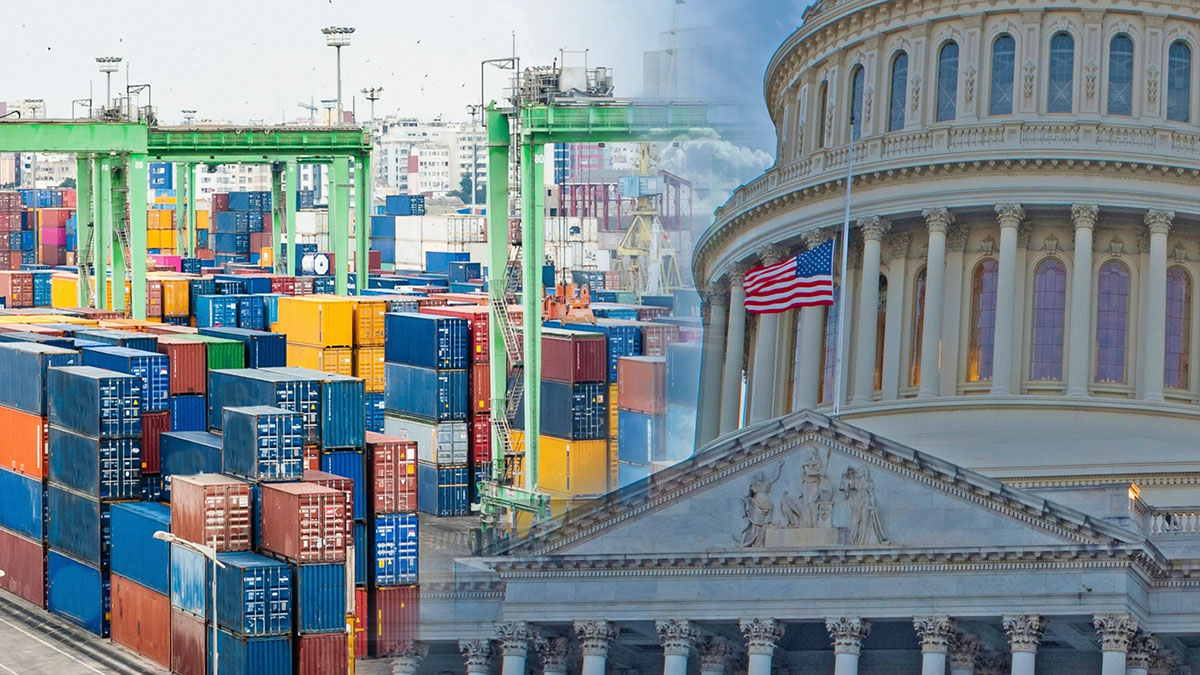
Nearly a week after the Trump Administration unveiled its latest tariff proposals, businesses are beginning to shift their focus from the announcement itself to the practical implications for sourcing, costs, and supply chain planning.
The proposed framework includes a 10% tariff on many U.S. allies and a 12.5% tariff on other nations as part of a broader effort to address forced labor concerns in global supply chains. The additional duties are expected to be implemented under Section 301 of the Trade Act of 1974. Importers should recognize that these proposals appear to be part of a broader framework for long-term trade policy changes rather than a one-time action.
Also significant is the timing. While the proposed forced-labor tariffs remain under review, they could potentially take effect as early as July, around the same time current temporary tariff measures are scheduled to expire. Although the final scope, rates, and implementation dates remain subject to the regulatory process, July is emerging as a pivotal month as the administration transitions from temporary trade actions to what could become a more permanent tariff framework.
For importers, July may mark the beginning of another phase of increased enforcement in an environment in which tariff changes, compliance requirements, and supply chain costs become a continuing business challenge rather than an occasional disruption.
In reality, Customs and Border Protection (CBP) began ramping up enforcement efforts last year, and throughout 2025 many importers have experienced a noticeable increase in Customs inquiries, audits, reviews, and penalties as CBP adopted more rigorous standards for evaluating import compliance.
Adding to this trend, a recent Executive Order directs CBP to strengthen Importer of Record (IOR) requirements, furthering the administration’s focus on importer accountability and trade enforcement. Among other changes, the order calls for higher financial accountability standards for importers, including increased bonding requirements and minimum domestic asset thresholds. The objective is to ensure that importers can be readily identified and held responsible for duties, penalties, and compliance obligations. While CBP has up to 180 days to implement many of these requirements, companies should expect greater scrutiny of importer qualifications and financial responsibility in the months ahead.
Rather than waiting for final rates to be announced, companies should use the coming weeks to evaluate tariff exposure, review sourcing strategies, explore duty mitigation opportunities, and prepare for potential increases in Customs scrutiny and import costs.
Worldwide Logistics Group is helping customers navigate this evolving trade environment through global trade consulting, customs compliance support, IOR guidance, duty mitigation strategies, Foreign Trade Zone (FTZ) programs, duty drawback services, and supply chain planning. Companies that understand their exposure and develop contingency plans now will be better positioned to adapt as trade policies continue to evolve.
Contact Worldwide Logistics Group to develop a strategy for navigating the changing trade environment. Early planning can make a significant difference.