


Co-Warehousing Explained: What It Is and Who It’s For
Most companies assume that getting warehouse space means signing a long lease on a dedicated facility. Co-warehousing offers a different model, and for a growing number of operations, it's a better fit. The concept is straightforward. Multiple businesses share a single warehouse, splitting the cost of space and equipment. Each tenant accesses the infrastructure they … Continued
How Cross-Docking Works and Why Some Supply Chains Depend on It
Cross-docking doesn't get discussed as often as warehousing or fulfillment, but for the right supply chain, it's the difference between running lean and sitting on expensive inventory. Understanding how it works and where it fits is worth the time. What Cross-Docking Actually Is The core idea is simple: goods come in through one dock … Continued
Why Businesses Need California Storage and How to Choose the Right Setup
California sits at the center of one of the busiest freight corridors in the world. The ports of Los Angeles and Long Beach handle more containerized imports than any other port complex in the country, making Southern California the first stop for a substantial portion of goods moving from Asia-Pacific markets to American consumers. That … Continued
Tariff Changes Ahead: Is Your Supply Chain Ready?
Nearly a week after the Trump Administration unveiled its latest tariff proposals, businesses are beginning to shift their focus from the announcement itself to the practical implications for sourcing, costs, and supply chain planning. The proposed framework includes a 10% tariff on many U.S. allies and a 12.5% tariff on other nations as part of … Continued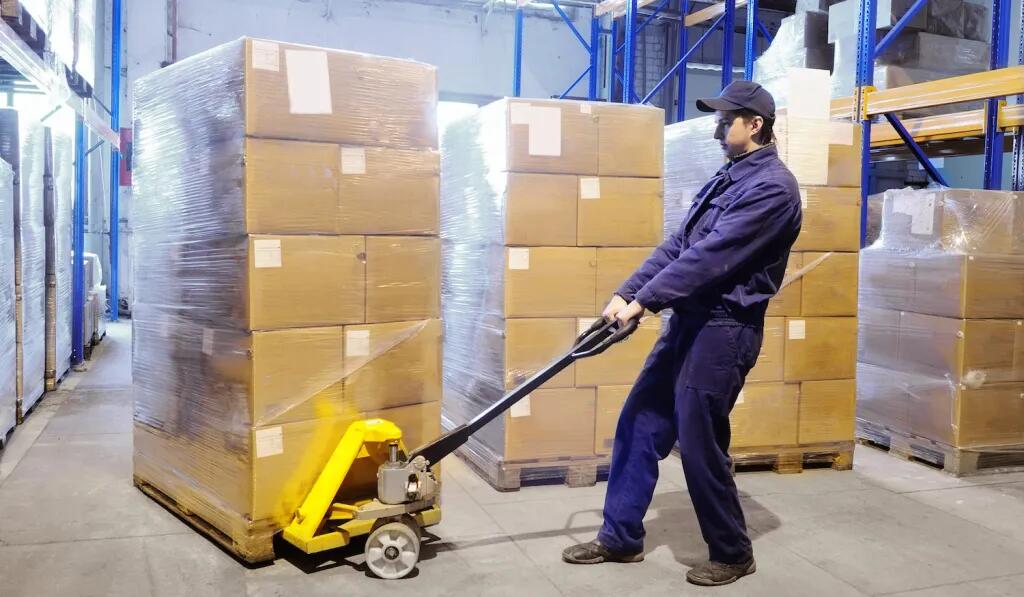
What Warehousing Actually Does in a Logistics Operation
Warehousing gets treated as the unglamorous part of logistics. Products go in, products come out, and somewhere in between they sit on a shelf. That framing undersells what warehousing actually does and sets businesses up for problems they could have avoided. A warehouse isn't a parking lot for inventory. It's an active part of your … Continued
What Is Multi-Client Warehousing and Who Actually Benefits From It?
Multi-client warehousing is a shared storage model where multiple businesses keep their inventory in the same facility, managed by a single third-party logistics provider. Rather than renting a dedicated building, you're buying access to space and services within one, alongside other shippers. How the Model Actually Works In a dedicated warehouse arrangement, one company … Continued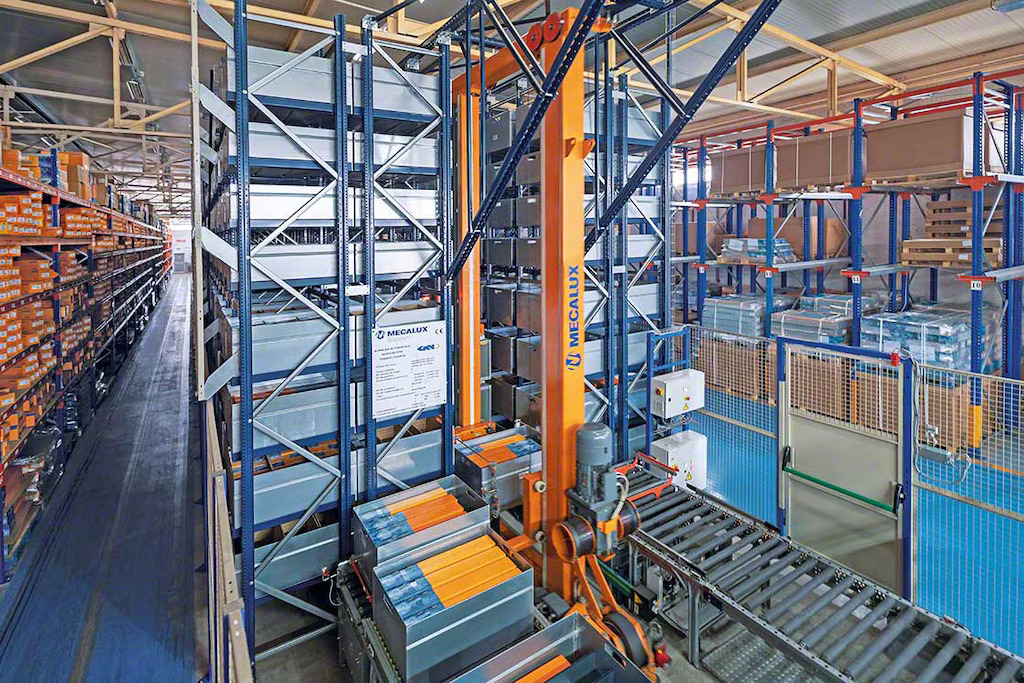
Smart Warehousing Systems: What They Are and What They Actually Do
The term "smart warehouse" gets used loosely, and that's created real confusion about what these systems include and what they're worth investing in. Some companies hear the phrase and picture fully automated facilities with robotic arms and conveyor networks. Others assume it just means having a decent warehouse management system. The reality sits somewhere in … Continued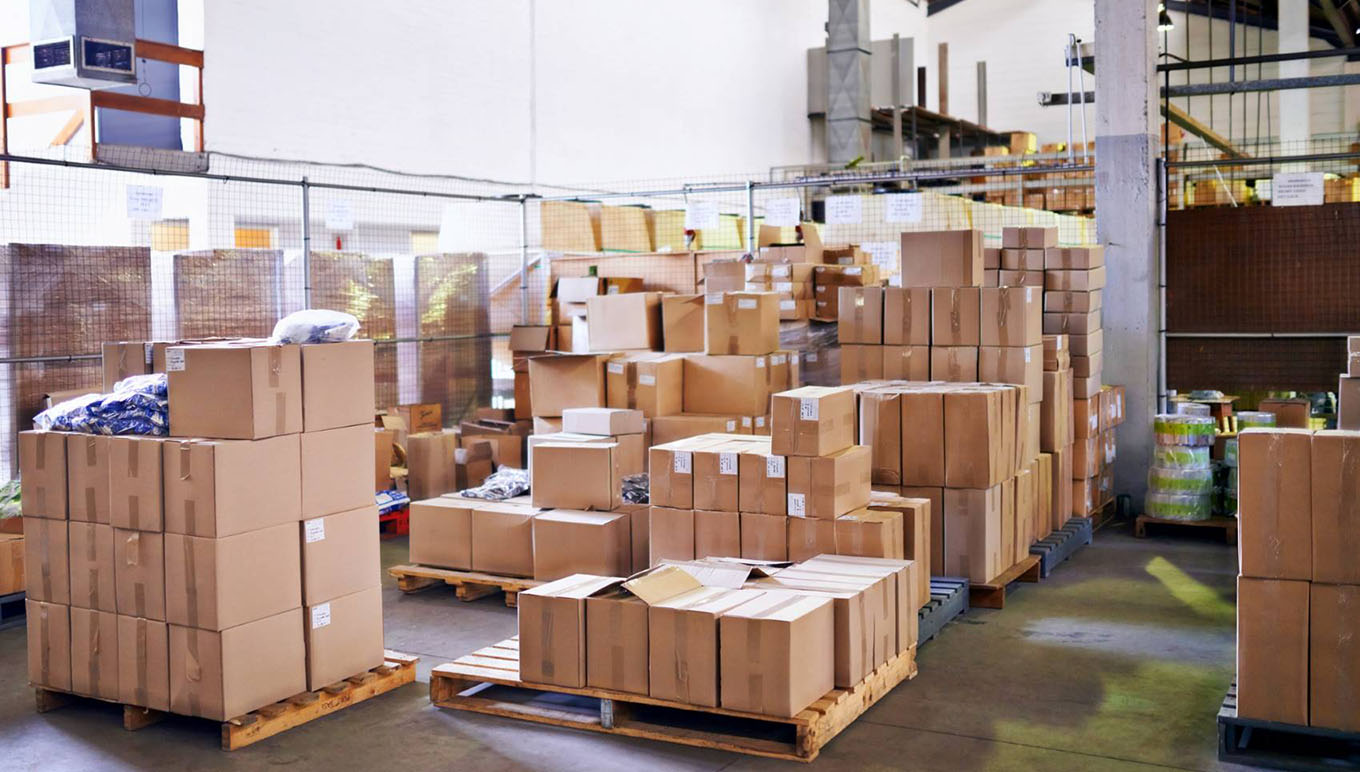
LPN in Warehousing: What It Stands For and How It Works
LPN stands for License Plate Number. The name borrows from vehicle registration, but the concept maps cleanly to warehousing: it's a unique identifier attached to a unit of inventory that tells a warehouse management system exactly what it has, where it is, and where it needs to go. What an LPN Actually Is An … Continued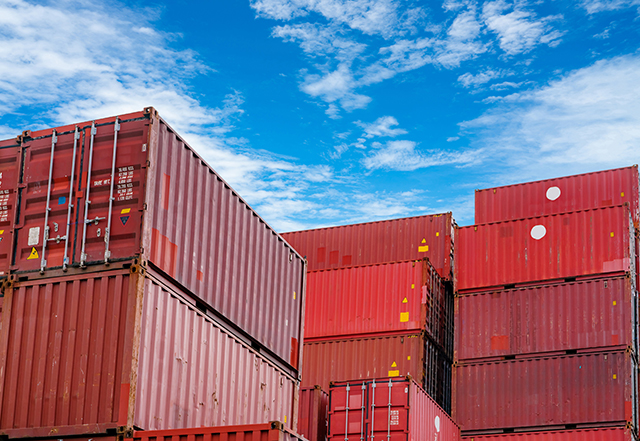
CBP Processing IEEPA Refunds – Starting April 20
According to CBP officials, the primary development of all components and functionalities for the Consolidated Administration and Processing of Entries (CAPE) in ACE has been completed and final testing to process IEEPA tariff refunds is being conducted. CBP has advised that Phase One processing of CAPE declarations will commence on April 20, 2026. Please note … Continued