
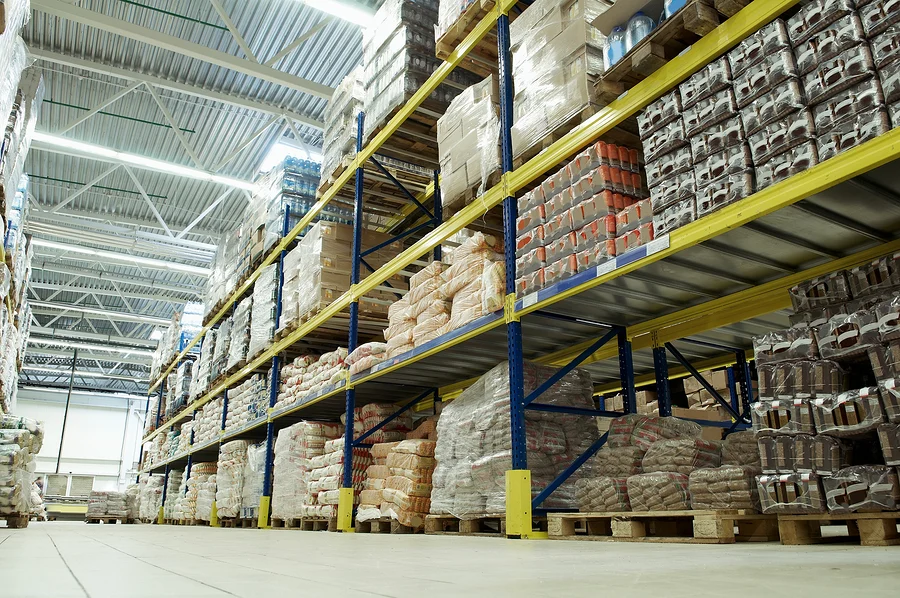
A food warehouse is pretty much what it sounds like: a facility built specifically to store food products before they make their way to grocery stores, restaurants, or wherever else they’re headed. But calling it “just storage” undersells it a bit. These places operate under strict regulations that regular warehouses don’t have to worry about.
Think about it. The bag of chips sitting on a shelf at your local store didn’t teleport there. It sat somewhere between the factory and that shelf, probably for days or weeks. That somewhere needs to keep products safe, organized, and ready to ship at a moment’s notice.
What Makes Food Warehouses Different
Standard warehouses can hold basically anything. Furniture, car parts, boxes of who-knows-what. Food warehouses don’t have that flexibility.
The FDA and USDA have opinions about how food gets stored. Strong opinions. Facilities need specific flooring and wall materials that won’t trap bacteria. Sanitation crews run on strict schedules. Pest control isn’t a “call someone when you see a mouse” situation; it’s an ongoing program with documentation and regular inspections.
And the paperwork. There’s a lot of it. Every product that comes in gets logged. Where it came from, when it arrived, where it’s sitting in the facility. If there’s ever a recall, operators need to trace affected items within hours, sometimes faster. That level of tracking isn’t something most warehouses bother with, but for food? Non-negotiable.
The Different Types You’ll Run Into
Not all food warehouses work the same way, which makes sense when you think about how many different businesses need storage.
Public food warehouses rent space to whoever needs it. Smaller food brands or regional distributors often go this route because maintaining a private facility costs serious money. You’re sharing the building with other companies, but for many operations, that’s fine.
Private warehouses belong to one company. Big grocery chains and major manufacturers tend to own theirs. Full control, full responsibility, full cost.
Then there’s contract warehousing, which is sort of a middle ground. A third-party logistics provider runs the facility but dedicates resources to specific clients. Worldwide Logistics Group operates this way, with company-owned facilities across the U.S. and Europe that hold AIB and USDA certifications for food-grade storage. Clients get the consistency of dedicated space without shouldering all the operational headaches.
Bonded warehouses are a different animal entirely. They hold imported food products that haven’t cleared customs yet. Government-supervised, secure, and very particular about what happens inside.
What Actually Happens Inside These Facilities
Receiving is the first step. Trucks show up, staff check the shipment against the order, and everything gets inspected. Damaged packaging, missing items, anything that looks off gets flagged right away. Catching problems here saves everyone trouble later.
From there, products move into storage. Modern facilities use warehouse management systems to track where everything sits. Not just “somewhere in aisle 12” but the exact shelf, the exact position. When it’s time to fulfill an order, pickers can find items quickly instead of wandering around.
Order fulfillment is where the pace picks up. Products get pulled, packed, and staged for shipping. Accuracy matters a lot here. Sending wrong items or quantities creates returns, delays, and frustrated customers.
Quality checks happen throughout. Staff monitor expiration dates, packaging condition, storage compliance. It’s ongoing, not a one-time thing.
Certifications and Why They Matter
Retailers and food manufacturers often require specific certifications before they’ll work with a warehouse. It’s not just a preference; for some contracts, it’s a hard requirement.
AIB certification from the American Institute of Baking covers food safety and sanitation practices. Auditors go through facilities looking at everything from how employees wash their hands to how the building handles drainage. USDA certification applies specifically to meat, poultry, and egg products.
SQF and BRC certifications are recognized internationally. Companies that export or work with global retailers usually pursue one or both.
Getting certified takes effort and investment. But it opens doors to clients who won’t consider uncertified options, so the math usually works out.
Location Isn’t Just About Rent
Where a food warehouse sits affects how useful it actually is. Facilities near ports handle imports efficiently. Those close to farming regions can receive products faster after harvest. Warehouses near cities cut down delivery times to stores and restaurants.
Transportation access matters too. Highway connections, proximity to rail, airport access. A well-run warehouse in a bad location still creates logistics headaches.
Worldwide Logistics Group positions their facilities strategically near major transit infrastructure for exactly this reason. It’s not glamorous decision-making, but it shapes how smoothly products flow through the supply chain.
The Tech Side of Things
Paper logs and clipboards aren’t really the standard anymore. Warehouse management systems handle inventory tracking, order processing, and reporting. Barcode scanning, RFID in some cases, automated alerts when stock runs low or expiration dates approach.
Some facilities have started bringing in robotics for tasks like palletizing or moving goods between zones. Not everywhere, but the trend is there. Labor’s expensive and hard to find, so automation makes more sense than it used to.
It’s Gotten More Complicated
Running these facilities isn’t getting easier. Finding qualified workers is a challenge across logistics, and food warehouses need people with specific training and certifications.
Regulations keep evolving too. The FDA’s Food Safety Modernization Act shifted focus toward prevention rather than response, which meant new procedures and documentation requirements for a lot of facilities.
And customers expect speed now. Next-day delivery used to be impressive. Now it’s baseline for a lot of products, groceries included. Warehouses have had to tighten their processes to keep up without sacrificing accuracy.
Picking a Warehouse Partner
For companies that don’t run their own facilities, choosing the right partner takes some legwork. Certifications are a starting point but not the whole story.
Ask about their systems. Can they integrate with yours? What visibility will you have into your inventory? Find out how they handle problems when things go wrong, because things will go wrong eventually.
Visit if you can. How the facility looks, how organized the floor is, how the staff operates. You’ll learn things a brochure won’t tell you.
And think about where you’ll be in a few years. Switching warehouse partners is disruptive. Finding one that can scale with you saves headaches down the road.
Wrapping Up
Food warehouses aren’t flashy, but they’re a big reason products make it from manufacturers to consumers without issues. Heavy regulation, tight processes, constant monitoring. The details add up to a system that mostly works the way it should.
Understanding how these facilities operate helps whether you’re looking for a storage partner or just curious about how that box of cereal ended up on the shelf. There’s more to it than most people realize.