
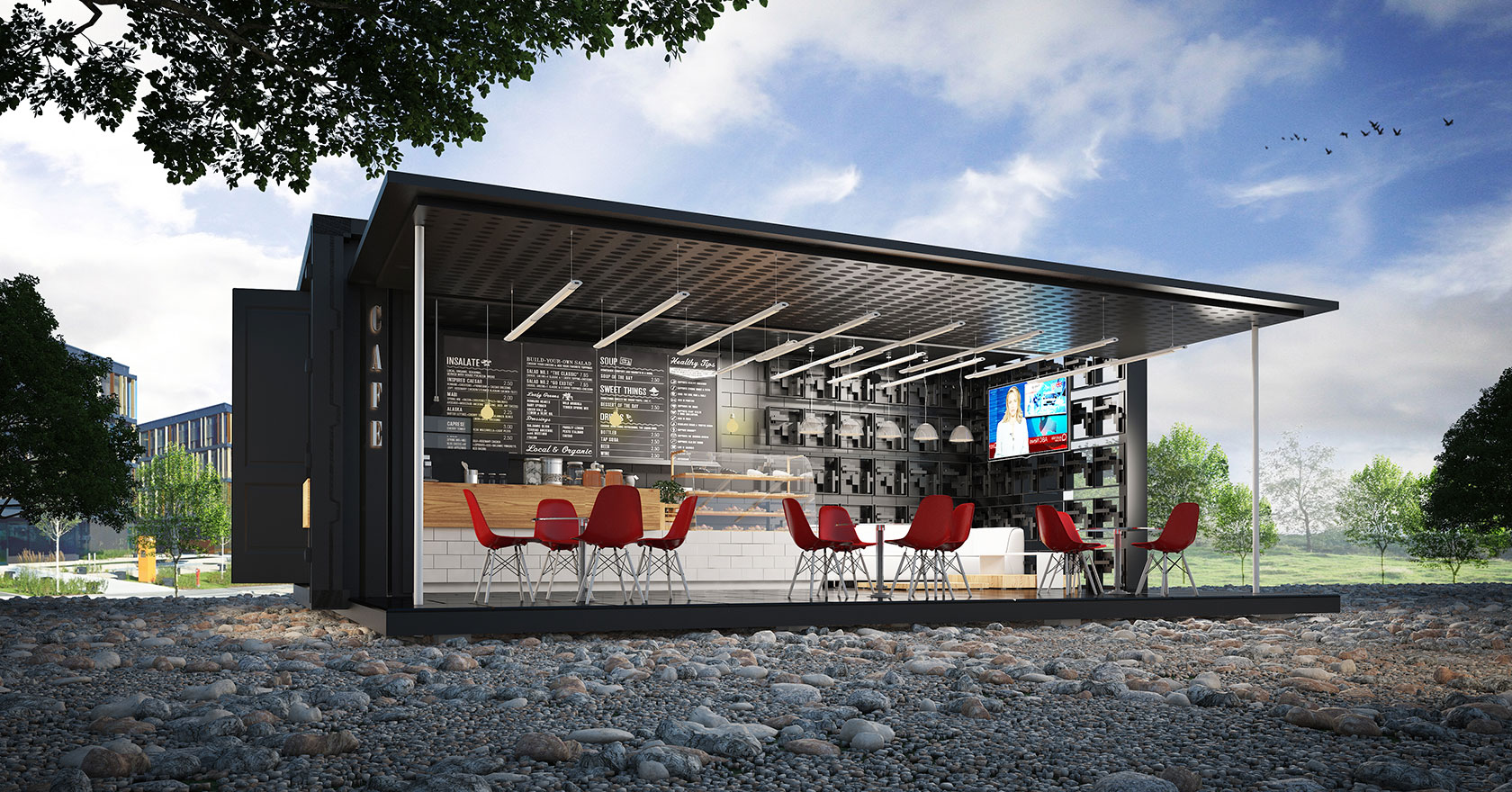
So there’s this trend happening in the coffee world. You’ve probably seen them—those industrial-looking cafes that pop up in unexpected places. Made from actual shipping containers. Not replicas, not “inspired by” containers… actual steel boxes that once hauled cargo across oceans.
Turns out, this isn’t just about aesthetics. There’s real substance behind why entrepreneurs are choosing containers over traditional storefronts.
What We’re Actually Talking About Here
Shipping container coffee shops—sometimes called container cafes—are exactly what they sound like. Standard shipping containers, the 20-foot or 40-foot steel boxes used in global freight, get converted into fully functional cafes.
The concept started gaining momentum in the late 2000s, early 2010s. Architects had been converting containers into homes for decades before that. The tiny house movement, sustainable living trends… it all fed into this. Coffee shop owners saw the potential and ran with it.
These days you’ll find container cafes in urban downtowns, parking lots, festivals, farmers markets. Some are permanent fixtures. Others move around. That mobility is part of the appeal.
The Sustainability Angle—It’s Not Just Marketing
Repurposing gets thrown around a lot in sustainability conversations. But with shipping containers, it’s pretty straightforward. These containers were already manufactured, already transported goods internationally, already served their primary purpose. Converting them into cafes gives them a second life instead of… well, ending up as scrap metal or sitting unused in a shipping yard.
The steel construction—corrugated corten steel specifically—is designed to last. We’re talking decades of durability. That longevity means less frequent replacement compared to other construction materials. Less replacement means less waste generated over time.
Container cafes typically incorporate other eco-friendly practices too. Solar panels, reclaimed wood for interior finishes, sustainable insulation materials. When you’re already starting with a repurposed structure, continuing that philosophy throughout the build makes sense.
Manufacturing new building materials from scratch carries significant environmental cost. Mining, processing, transporting raw materials. Using existing containers sidesteps much of that. You’re working with something that already exists rather than creating demand for new production.
The Business Case—Numbers Matter
Okay, so sustainability is great. But let’s talk about why this model actually works from a business perspective.
Lower Initial Investment
Traditional brick-and-mortar cafes are expensive. Real estate, construction, permits, inspections… costs add up fast. A study from Ohio State University found that 60% of restaurants fail in their first year. Eighty percent within five years. High startup costs contribute to those failures.
Container cafes reduce that burden. Used containers run anywhere from $1,600 to around $5,000 depending on condition. New “one-trip” containers (used once for international shipping) cost more but still less than traditional construction. Conversion and customization add to the total, but you’re still looking at significantly lower investment compared to building from scratch.
Speed to Market
Construction timelines for container cafes are compressed. Much of the work happens off-site in controlled environments. No weather delays. No on-site complications. Most projects complete within 8-12 weeks from start to finish.
Getting your business operational faster means generating revenue sooner. That’s… not insignificant when you’re bootstrapping a startup.
Operational Flexibility
Here’s where it gets interesting. Containers are designed to be transported. If your initial location isn’t working—foot traffic is low, demographics shift, rent increases—you can move. Pick up the entire cafe and relocate.
Try doing that with a traditional storefront.
This mobility opens up opportunities too. Festivals, special events, temporary installations. You can test different markets without committing to long-term leases. For companies managing complex supply chains—think logistics providers operating globally like Worldwide Logistics Group with networks spanning multiple countries—understanding how repurposed shipping containers create flexible business solutions demonstrates the versatility of container infrastructure beyond traditional freight applications.
Design Possibilities Are Pretty Wild
There’s a misconception that container cafes all look industrial and bare-bones. Some do. But the customization options are extensive.
Walk-up windows, drive-through configurations, full glass walls replacing steel sides, cantilevered sections, stacked multi-story designs. Interior finishes can go minimalist and modern or warm and rustic. Your branding, your aesthetic, your choice.
The constraint of working within a defined rectangular space actually forces creativity. How do you maximize every square foot? Where does equipment go? How do you create flow for customers and staff? Good designers thrive on these challenges.
Some container cafes barely look like containers once completed. Others lean into the industrial aesthetic—exposed steel, corrugated walls, bold colors. Both approaches work. It depends what story you’re telling with your brand.
Durability and Security Built In
Shipping containers are engineered to withstand harsh conditions. Ocean transport, stacking several units high, exposure to salt water, extreme weather. The steel construction is tough.
That translates to security for your business. Break-ins are harder with steel walls versus drywall. Your equipment—espresso machines, grinders, point-of-sale systems—stays protected.
Weather resistance matters too depending on location. Containers handle rain, wind, sun exposure. Proper sealing and maintenance keep them weathertight. This isn’t particle board construction that warps after a few seasons.
The Community Element
Many container cafes position themselves as community gathering spaces. There’s something about the unconventional nature of the structure that creates conversation. People are curious. They stop by to check it out. That foot traffic converts to customers.
Equator Coffees opened a container location at Lake Merritt in Oakland. The property owner wanted to transform underutilized parking spots into a community hub. Using containers aligned with that vision—sustainable, accessible, vibrant. The space became a gathering point for cyclists and locals.
Tinker Coffee operates out of The AMP in Indianapolis—an artisan marketplace where multiple businesses run from brightly colored containers. That ecosystem of local brands creates a destination. People visit for the experience, not just the coffee.
The shipping container as a structure invites that kind of community-oriented approach. It’s different. It signals that you’re doing things your own way.
Practical Considerations You Can’t Ignore
Not everything is simple with container cafes. There are real challenges to navigate.
Permits and Codes
Building codes vary by location. Some municipalities embrace container construction. Others… not so much. Zoning laws, health department requirements, fire codes all apply. You need proper permits before operating.
Working with an architect or designer experienced in container projects helps. They understand what’s possible within regulatory frameworks. Don’t skip this step.
Utilities Access
Your cafe needs water, electricity, gas, sewage connections. Container placement requires proximity to utility hookups or the ability to bring utilities to the site. This isn’t always straightforward, especially for mobile operations.
Space Limitations
A 20-foot container gives you 160 square feet. A 40-foot container doubles that. Compared to traditional cafes, that’s compact. You’re making hard choices about what equipment fits, how many customers you can serve simultaneously, where inventory gets stored.
For some business models, that works fine—walk-up windows, limited menu, high turnover. For full-service cafes with extensive seating, you might need multiple containers or hybrid designs that extend beyond the container structure.
Site Selection Still Matters
Mobility is great, but you still need good locations. Foot traffic, parking access, visibility. The fact that you can move doesn’t mean location becomes irrelevant. It just gives you options if your first choice doesn’t pan out.
The Logistics Connection
Shipping containers exist because of global trade. The standardization of container sizes revolutionized freight transportation in the mid-20th century. Suddenly goods could move efficiently between ships, trucks, trains without repackaging.
The global logistics industry—encompassing freight forwarders, 3PLs, and shipping companies spanning multiple countries like Worldwide Logistics Group with 40+ offices across 23 nations—built its infrastructure around these standardized containers. The containers that now house coffee shops? They spent years moving products internationally before retirement from freight service.
There’s something circular about that. Containers facilitate global commerce, then get repurposed into local businesses. The coffee beans inside container cafes probably arrived in… shipping containers. Different ones, but still.
Is This Actually Sustainable or Just Trendy?
Fair question. Any time something gets popular, there’s concern about greenwashing.
The sustainability benefits are real if—and this is the key part—if done properly. Just slapping a used container somewhere and calling it eco-friendly doesn’t cut it. You need to consider:
- Sourcing containers responsibly
- Using sustainable materials for modifications
- Implementing energy-efficient systems
- Planning for end-of-life disposal or repurposing
Done right, container cafes genuinely reduce environmental impact compared to traditional construction. The material already exists. Manufacturing is minimal. The structure lasts for decades.
But sustainability isn’t automatic. It requires intentional choices throughout the design and operation process.
Looking at Where This Goes
Container coffee shops moved from novelty to established business model. They’re not going away. Too many successful examples exist proving the concept works.
The natural evolution is refinement. Better designs, more efficient layouts, improved insulation and weatherproofing, smarter utility integration. As more architects and builders gain experience with container conversion, quality improves.
Expect to see more hybrid models too—containers combined with traditional construction, creating unique spaces that blend industrial and conventional elements. Multi-story stacked configurations. Container villages where multiple businesses cluster together.
The flexibility and sustainability that attracted early adopters remain relevant. Maybe even more so as real estate costs rise and environmental consciousness grows.
Who This Works For
Not everyone should open a container cafe. The model suits certain business approaches better than others.
Good fits:
- Entrepreneurs with limited capital
- Mobile or pop-up concepts
- Businesses targeting festival/event circuits
- Cafes prioritizing sustainability authenticity
- Operators willing to embrace space constraints
- Brands that want distinctive visual identity
Less ideal for:
- Operations needing extensive square footage
- Businesses in areas with restrictive building codes
- Concepts requiring complex kitchen setups
- Operators uncomfortable with non-traditional structures
Know what you’re getting into. Visit existing container cafes. Talk to owners. Understand the trade-offs.
The Bottom Line
Shipping container coffee shops represent more than architectural novelty. They’re a legitimate business model combining sustainability, affordability, and flexibility in ways traditional cafes can’t match.
The steel boxes that once hauled goods across oceans find new purpose serving communities as gathering spaces. That repurposing reduces waste, lowers costs, and creates distinctive businesses.
Challenges exist—permitting, space limitations, utility access. But for entrepreneurs willing to navigate those obstacles, container cafes offer a compelling alternative to conventional retail spaces.
The coffee industry continues evolving. Sustainability matters to consumers. Unique experiences draw customers. Container cafes deliver on both fronts.
Interested in how global logistics and supply chain innovation intersect with local business solutions? Learn more about our integrated approach to moving goods worldwide.